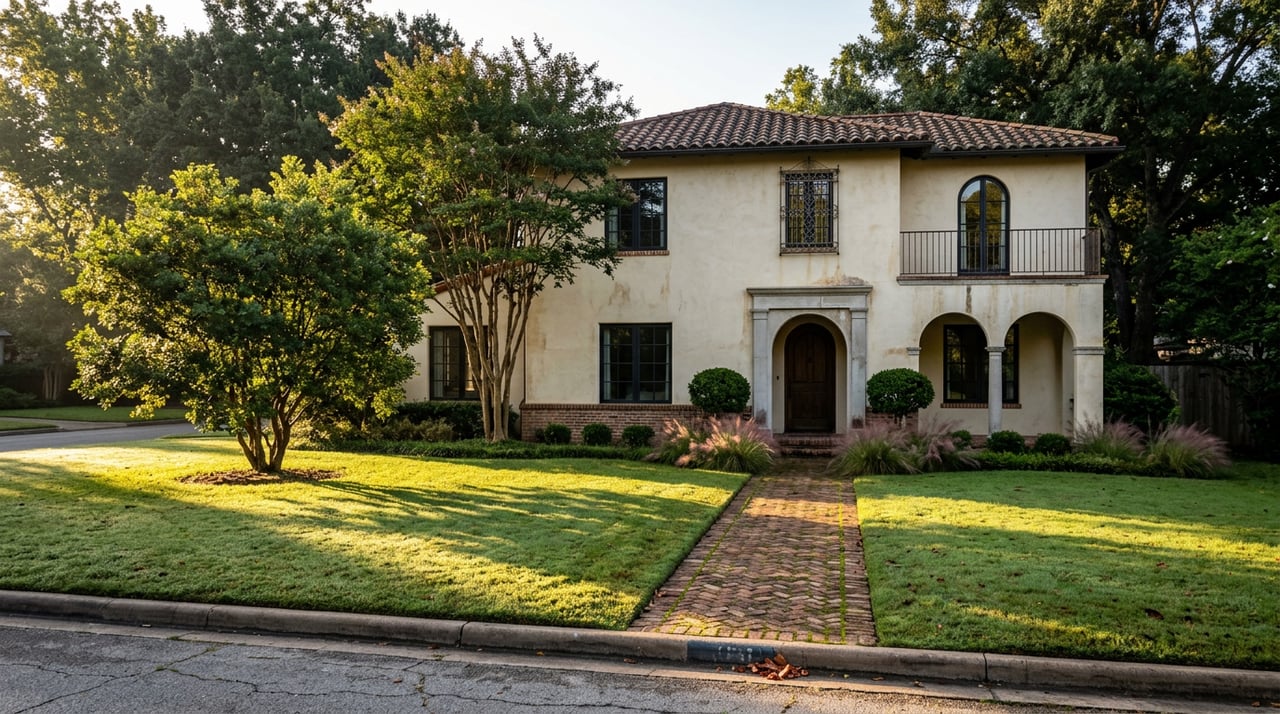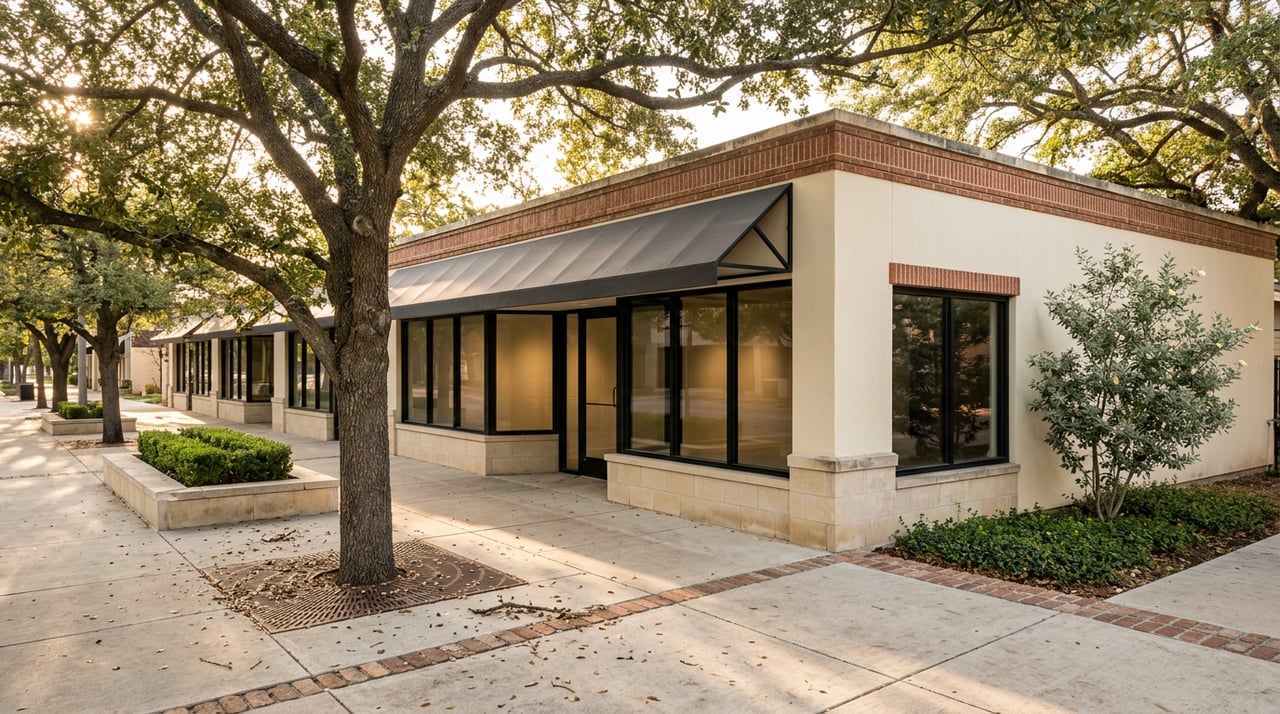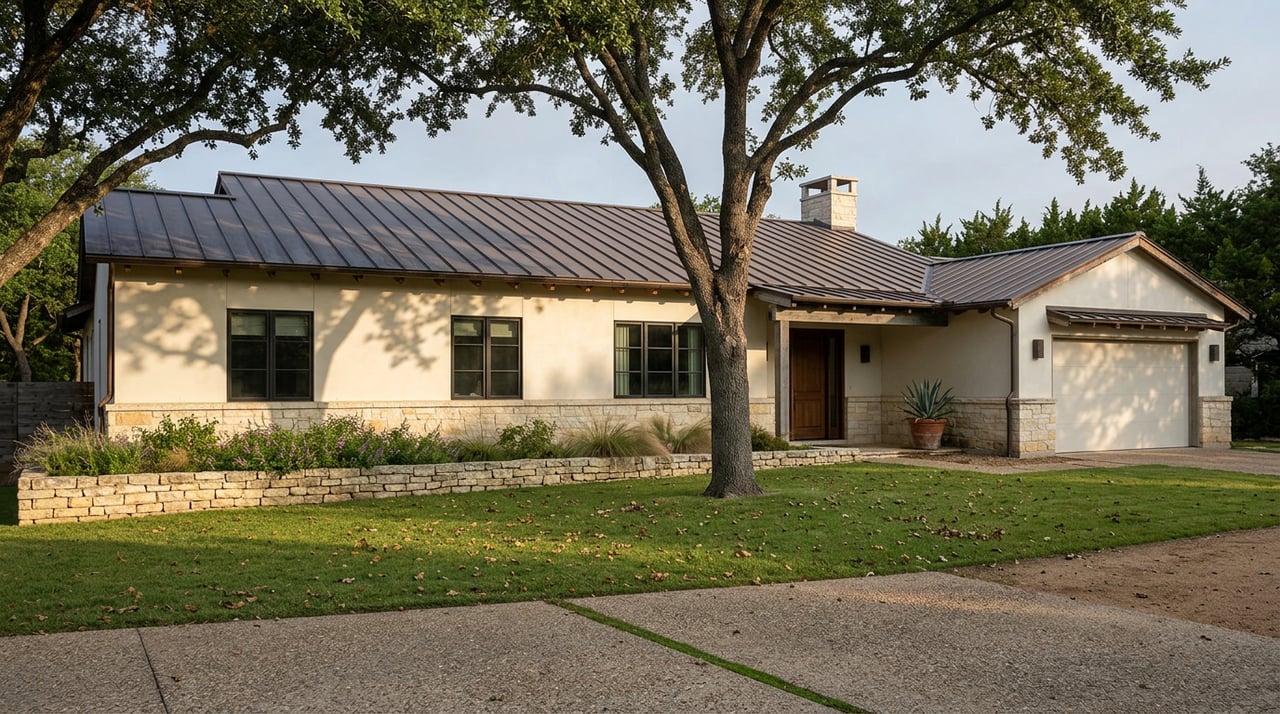
A buyer tours a Victorian on Madison, falls for the porch, and starts sketching the window package they will order the week after closing. A seller across the street prices a Folk Victorian assuming the metal roof they had quoted last spring can go on before listing photos. Both are about to meet the same calendar, and it is not the one on their contract.
In King William, the Certificate of Appropriateness process is the real critical path of a transaction. Price, inspection, and financing negotiate within it. Whichever side treats the COA as paperwork instead of a schedule is the side that pays for the misunderstanding.
What the COA actually controls
The Historic and Design Review Commission reviews exterior changes on properties inside a local historic district or on a designated landmark, and San Antonio has some of the strongest historic preservation rules in Texas, with the process applying to all exterior changes including additions, new construction, and demolition. Interior work generally falls outside the Office of Historic Preservation's jurisdiction unless it alters the exterior form.
The distinction matters because it shapes what a buyer can quietly do after closing and what forces a public hearing:
- Administrative COA (staff review): in-kind repairs, minor changes, projects within the staff's delegated authority.
- Full HDRC hearing: significant additions, new construction, demolition, or anything that exceeds staff authority.
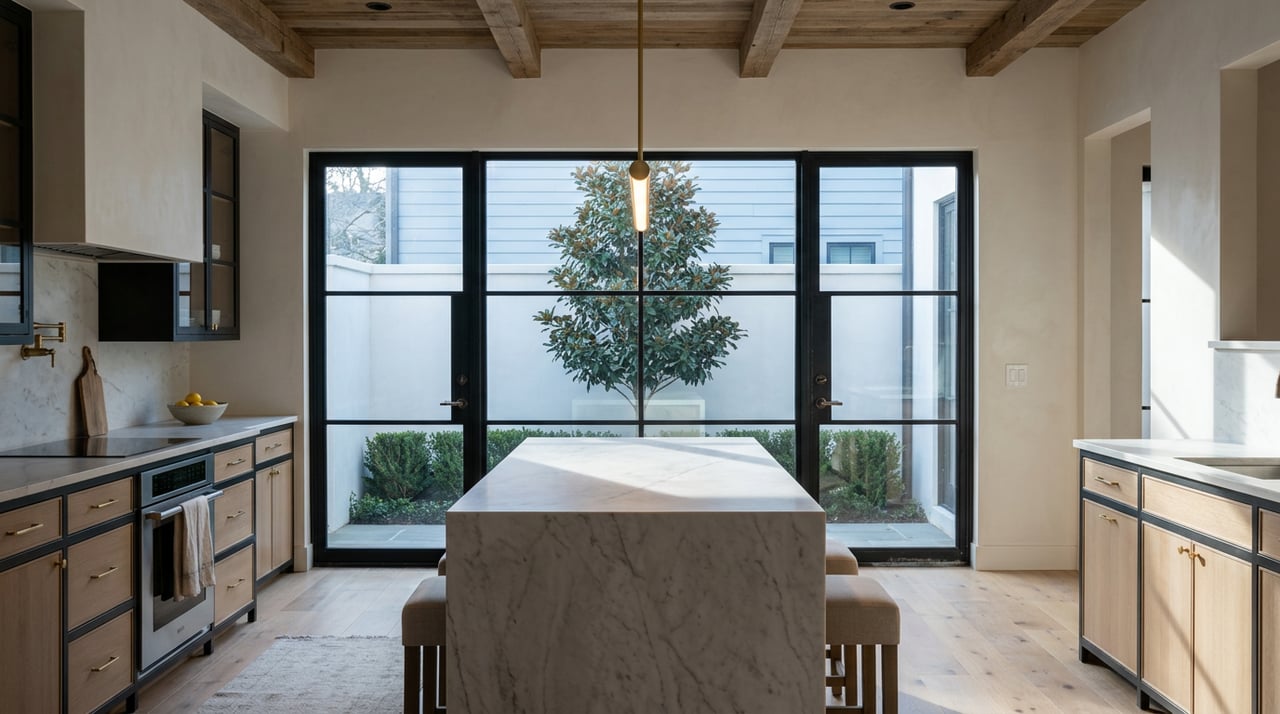
- Outside HDRC entirely: kitchen gut, primary suite reconfiguration, mechanical replacement that stays inside the envelope.
The HDRC itself is an 11-member body appointed by City Council that reviews exterior changes to individually designated landmarks, properties within local historic districts, sites within a River Improvement Overlay including the Riverwalk, Viewshed Protection districts, and publicly owned properties. It meets on the first and third Wednesdays of the month, which is the cadence your renovation schedule will need to match.
The calendar sitting inside your closing timeline
Sequencing is the piece most contracts do not spell out. The order is COA approval, then building permit, then construction. Skip a step and the schedule reopens for negotiation, usually against the party who is paying carrying costs.
Conservative planning ranges for common King William scopes look like this:
| Scope | Typical path | Time band |
|---|---|---|
| Pre-application meeting with HPO | Staff | 1 to 4 weeks to schedule |
| Administrative COA | Staff | 1 to 4 weeks after complete submittal |
| HDRC hearing case | Commission | 1 to 2 months to a hearing, 2 to 4 months with revisions |
| In-kind window replacement | Usually staff | 4 to 10 weeks |
| Porch restoration or minor addition | Mixed | 8 to 16 weeks |
| Major addition or new carriage house | HDRC | 3 to 6 months or more |
| Full demolition and new construction | HDRC | 4 to 9 months, plus possible appeals |
Two entries on that table deserve emphasis. In-kind replacement is the pressure valve. A buyer who wants matching wood windows moves through staff review; a buyer who wants a modern casement in the same opening steps into a hearing calendar. And demolition is not a standalone permit. A demolition permit will not issue until replacement plans have cleared the HDRC through a separate Certificate of Appropriateness. That single rule has ended more tear-down-and-rebuild plans than any pricing objection.
Historic renovations also carry hidden-condition risk that shows up after the COA drawings are already approved. A 15 to 30 percent contingency is a common budget posture for this housing stock, which is worth surfacing before a buyer waives an option period on a mid-1800s frame home.
What the case record actually shows
Reading a few HDRC minutes is more useful than reading the guidelines. The pattern that emerges from published cases in King William and adjacent districts is that staff and commissioners are specific in ways contractors are not always ready for.
On a standing seam metal roof replacement in the district, staff conditioned approval on panels 18 to 21 inches wide with seams 1 to 2 inches high, a crimped ridge seam matching the current finish or a standard galvalume finish, smooth panels without striation or corrugation, a double-munch or crimped ridge configuration with no vented ridge caps or end caps, and preservation of all chimney, flue, and related existing roof details. A roofer bidding off a generic spec sheet will not carry those constraints in the number.
On fencing, UDC Section 35-673(h) governs wall and fence height in the RIO districts, permits wrought iron as a material, and stipulates that fences or walls should not exceed 72 inches, or six feet, in height. An eight-foot fence proposal requires a variance from the Board of Adjustment, which is a second review body with its own timeline. On a separate case in the district, staff recommended keeping a replacement fence at four feet, denied replacing sod with artificial turf, and denied limewashing brick on the front and side elevations. Those denials are worth pricing into a scope of work, not discovering at a hearing.
And on new outbuildings, staff routinely asks for footprint reductions, manufacturer specifications for garage and pedestrian doors, and setback compliance before conceptual approval will convert to a full COA. That is a two-hearing path in practice, not one.
What this means when you are preparing to sell
The staging playbook for a King William home starts earlier than a typical San Antonio listing because the exterior improvements a buyer will underwrite are the ones on paper.
A seller who lists with a pending or approved COA in hand is selling a shorter timeline. A seller who lists mid-application is selling uncertainty, which the market prices.
Three moves consistently sharpen a listing here. First, close out any open COA before photography, even if it means delaying the launch by a week. An unresolved application shows up in due diligence and reads as risk. Second, if the property has a character-defining porch, window package, or masonry envelope, order a condition report before market so the buyer's inspector is confirming, not discovering. Third, document any prior HDRC approvals with case numbers. A buyer planning to extend the same scope, say adding a second dormer to match one already approved, will move through staff review far faster with the prior file attached.
The King William Association's Architectural Advisory Committee is a separate audience worth understanding. Its letters of support or opposition appear in the HDRC record and influence outcomes, which is why a seller who has done thoughtful work on a home should not leave that relationship for the next owner to discover. It is a real party at the table.
What this means when you are buying
The due diligence sequence for a King William purchase is not the same as a purchase in Alamo Heights or Terrell Hills. The option period is where you compress the risk of the COA calendar into a number you can price.
- Pull the property's HDRC history from the Office of Historic Preservation. Prior approvals, denials, and open cases all matter.
- Ask the seller for any correspondence with HPO staff or the KWA Architectural Advisory Committee. It is not a required disclosure, but it is a fair request.
- Take your renovation wish list to a pre-application meeting with HPO before the option period ends. A one-hour conversation reframes the budget more honestly than three contractor bids.
- Reconcile the contractor's schedule with the HDRC calendar. First and third Wednesdays are the hearing dates; revisions push a case to the next cycle.
- If the plan involves demolition of an accessory structure or partial demolition of the primary residence, treat the replacement design as part of the acquisition, not a later phase.
Buyers who do this work inside the option period tend to close on their timeline. Buyers who defer it tend to renegotiate the price or the closing date, and usually both.
FAQ
Does interior renovation trigger HDRC review? Generally no. Interior work sits outside HPO jurisdiction unless it changes the exterior form or appearance, which is why a kitchen gut, primary suite reconfiguration, or systems replacement inside the envelope usually moves at the pace of a standard building permit.
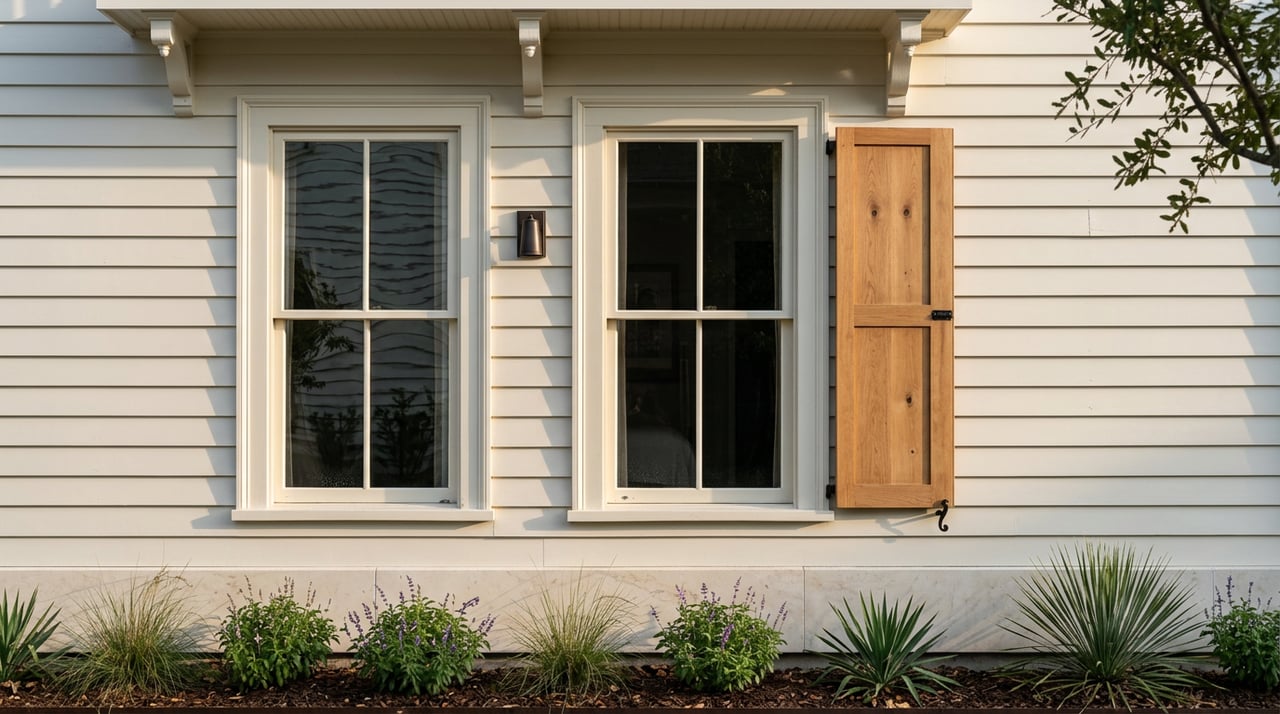
Can I replace old wood windows with vinyl or aluminum? An in-kind wood replacement typically clears through staff review in weeks. A material change is treated as a design change and can route the application to a full HDRC hearing, which extends the schedule and puts material specifications on the record.
Is King William the same as the South Alamo–South St. Mary's district? They overlap in daily life but are distinct on paper. The National Register-listed King William Historic District sits generally between the San Antonio River, Cesar Chavez Boulevard, South St. Mary's Street, and South Alamo Street, while the King William local historic district and neighborhood also include the National Register-listed South Alamo Street–South St. Mary's Street Historic District west of South Alamo Street. Both fall under HDRC review.
When was the district designated? The City of San Antonio recognized the King William area as a residential historic district in 1968, and the National Register of Historic Places recognized a slightly different footprint in 1972. Many early settlers were German immigrants, and Ernst Altgelt, the first to build on current-day King William Street, is credited with naming his street after King Wilhelm I of Prussia. That history is why the design guidelines protect what they protect.
If you are weighing a King William purchase or preparing a historic home for market, the most valuable hour is the one spent reading a property's HDRC file before the option period closes. Claudia Wheeler works alongside clients on that read, from the case history to the contractor bid to the listing calendar. Let's Connect.