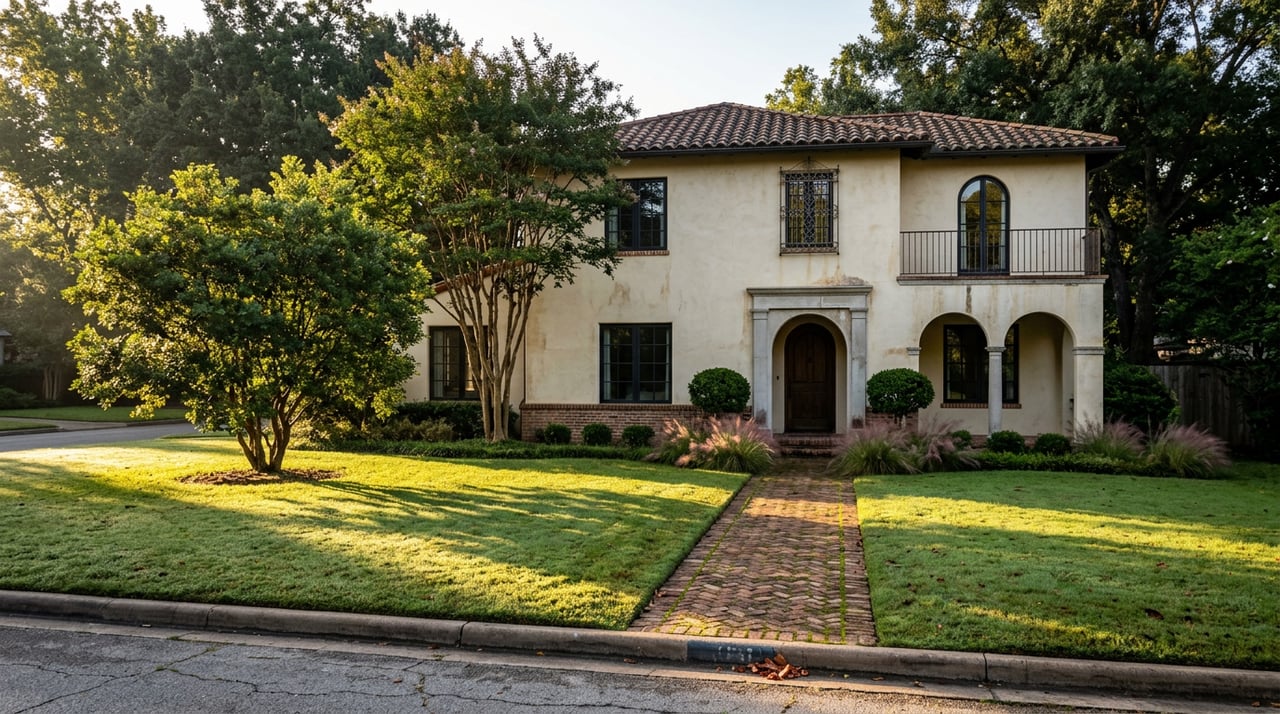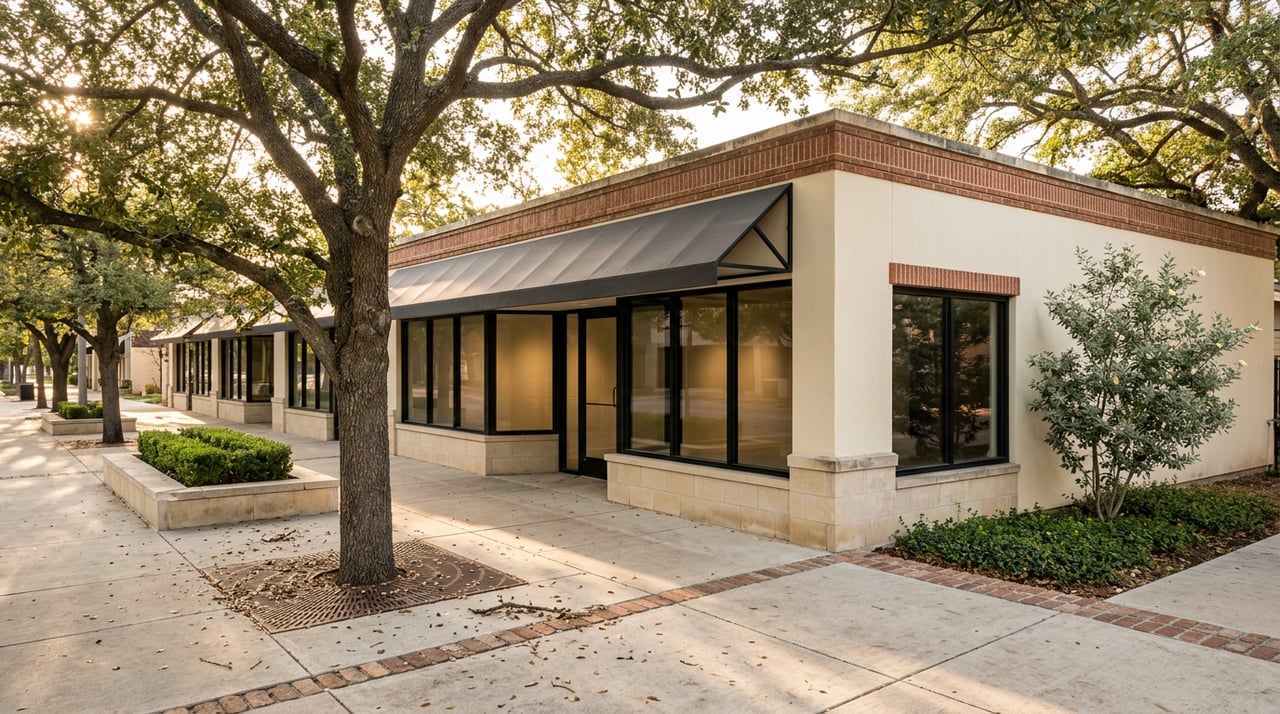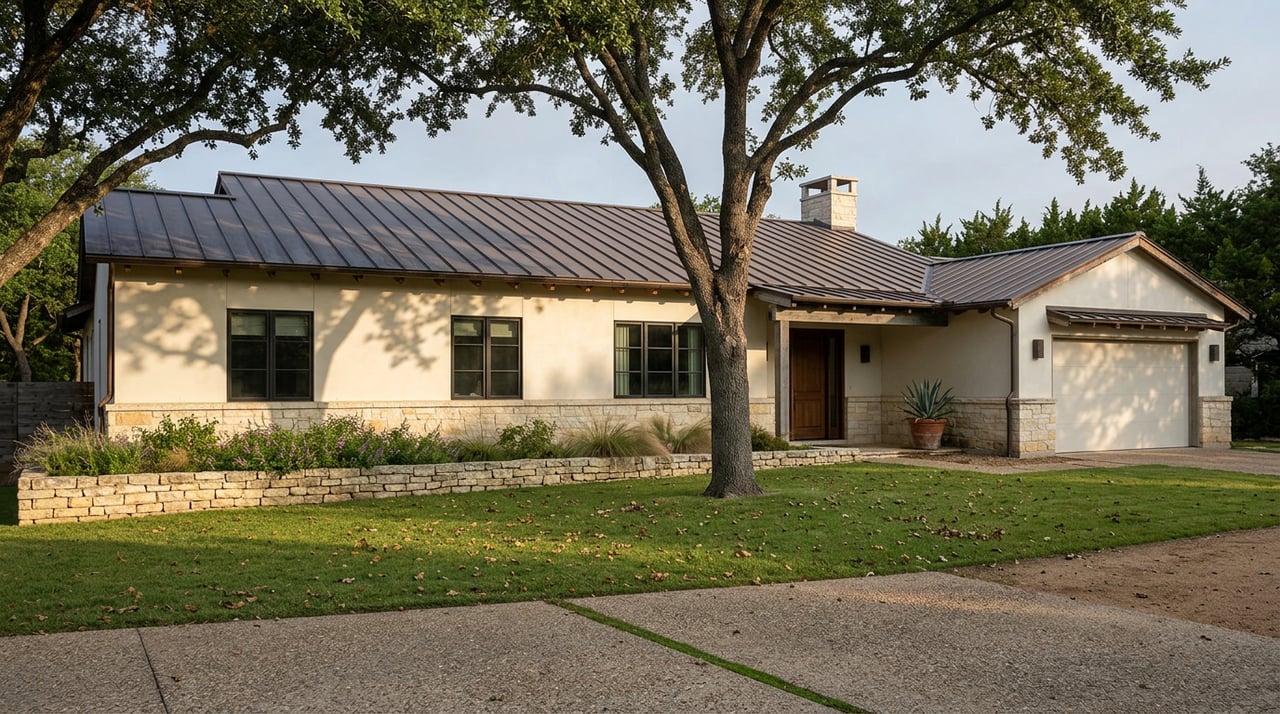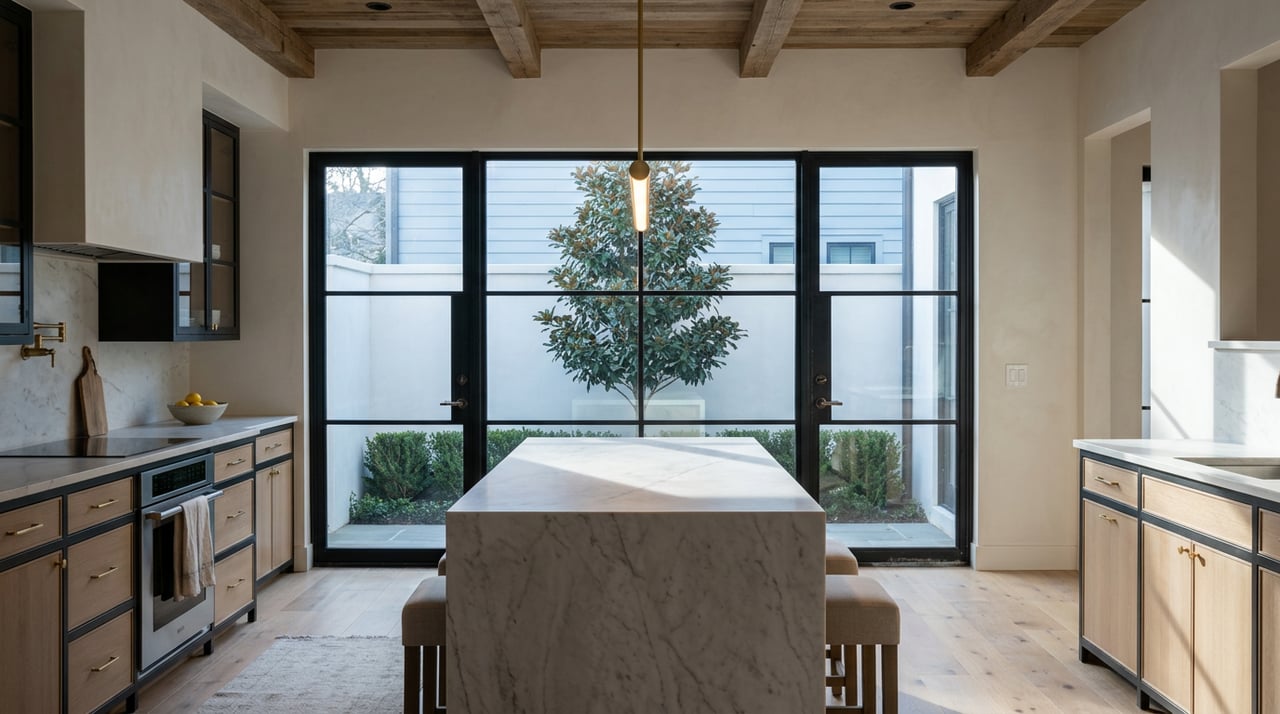
Would you take a free condo if the HOA bill came with it? That is roughly the trade a seller near the Thompson Hotel downtown is offering this summer. A listing at The Arts Residences includes an incentive covering the buyer's maintenance fee, estimated at $900 a month, through the end of 2026. The unit itself is priced like any other one-bedroom downtown. The concession is what tells the real story.
A $900 monthly HOA payment is not unusual for a high-rise with room service, valet parking, and a rooftop pool. It is also more than some Bexar County homeowners pay in property taxes. For a buyer comparing that tower to a converted loft six blocks north in the Pearl, the sale price on the listing sheet is only half the arithmetic. The other half, the recurring line that never shows up in a headline, is where downtown and the Pearl start to look like two very different products wearing the same zip code.
The city's numbers say the market is soft. The Pearl didn't get the memo.
San Antonio's apartment market has had a rough run. A 2026 multifamily outlook published this spring put the metro's vacancy rate at 15.8 percent, the third highest among the fifty largest metro areas in the country, with rents down 3.3 percent year over year and average asking rents sitting near $1,180 a month. Most of that oversupply sits out along Interstate 10 West and Highway 151, where builders chased population growth past the point demand could absorb it.
The Pearl and Southtown tell a different story. That same outlook put vacancy in those two submarkets below 10 percent, with rent declines limited to 1 or 2 percent, a fraction of the citywide slide. The report credited the resilience to limited development sites and a neighborhood character residents don't want to trade for a cheaper unit across town.
Limited development sites is the phrase worth sitting with. It is not that the Pearl is somehow immune to a citywide correction. It is that there is almost nowhere left inside the district to build the kind of new supply that would force prices down.
An expansion that isn't building what buyers want to buy
That scarcity is not an accident. Oxbow Development Group, the arm of Pearl owner Silver Ventures that runs the district's build-out, has spent the past two years adding density on both sides of the river, and none of it is for-sale condo product. Coopers Row, a 262-unit apartment complex at East Elmira and Schiller, was completed earlier this year. The Perlen House hotel, a 166-room property positioned as a less expensive alternative to the Pearl's five-star Hotel Emma, is under construction nearby. At 102 E. Josephine Street, Oxbow has filed plans for a project pairing roughly 140,000 square feet of office space with 86 luxury apartments, including 16 penthouses, and about 20,000 square feet of restaurants and shops, with construction possibly starting late this year and running about two years to completion.
Every one of those projects adds apartments, hotel rooms, offices, or retail. None of it adds condos a buyer can put an offer on. Oxbow's own leadership has been candid about how capital-intensive this strategy is. As CEO Bill Shown put it while discussing the district's financing push:
"We'll pull every lever that's available, because we want this to happen."
That is a company building for renters, hoteliers, and office tenants, not homeowners. As long as that stays true, the handful of for-sale lofts and condos already built inside the Pearl proper aren't getting company. Scarcity holds the floor up even while the district around it keeps growing.
Where the actual for-sale inventory is landing
If the Pearl itself isn't producing new inventory, the overflow is landing just outside its edges, and the price tags shift accordingly. Grayson House, a community of 48 new townhomes a few blocks from the Pearl and close to downtown and the St. Mary's Strip, had 33 of its 48 units sold or under contract as of this summer. The HOA dues there cover water, sewer, trash, pest control, and building management, with amenities that include a rooftop deck, a resort-style pool, a fitness center, and controlled access. It is new construction competing on attainability rather than address.
Inside the district and downtown proper, the product mix gets more varied and the pricing spreads out. Judson Candy Lofts, a conversion of the historic Judson Candy Factory, pairs original industrial architecture with updated interiors and sits close to both Pearl and downtown. The Alteza, built inside the Marriott Rivercenter Tower, offers a hotel-condo hybrid with room service and valet, a different cost structure than a converted brewery building. Downtown's broader condo range as of July 2026 ran from roughly $290,000 to $4.9 million, with a median home price near $495,000, a spread wide enough to include a modest one-bedroom and a Grand Hyatt-adjacent penthouse in the same neighborhood boundary. The Pearl's own numbers, as of June 2026, were tighter: a median listing near $475,000, a median sale near $443,000, a sale price of roughly $206 a square foot, and a typical marketing period close to 159 days.
That 159-day figure matters as much as the price. It is not a market moving fast on scarcity alone. It is a market where sellers aren't under pressure to discount, because there is so little competing inventory pushing them to.
The next wave still isn't solving the for-sale problem
The pipeline coming behind all this reinforces the pattern rather than breaking it. Just this month, Oxbow filed plans with the city's Office of Historic Preservation to demolish two vacant structures, a former can-recycling building at Avenue A and Grayson Street and a 1939 brick building at 250 E. Grayson, to make way for ten new storefronts and an improved, more pedestrian-friendly Pearl Parkway. The company is partnering with Dallas-based 3-O Real Estate Partners on leasing, adding to a retail roster that already includes Dos Carolinas, King Ranch, and Yellow Rose by Kendra Scott. Groundbreaking is expected in early 2027, with completion targeted for late 2028.
Across Broadway from the Pearl, a separate luxury shopping center once envisioned with tenants like Gucci, Rolex, and Chanel had cleared the city's design review process, but the most recent reporting on the project describes it as stalled. Even if it moves forward, it is retail, not residential.
Every headline coming out of the district right now points toward more places to shop, eat, and stay, not more places to buy. For a buyer weighing the Pearl against downtown proper, that is the mechanism to watch. The gap in list price between the two areas isn't primarily about which neighborhood is hotter. It's about which one still has room to build for-sale housing at all.
A few questions worth asking before you write an offer
Does a lower price per square foot downtown mean a better deal than the Pearl? Not automatically. Run the total monthly number, including HOA dues, before comparing two listings on price alone. A downtown tower with hotel-style amenities can carry dues that erase most of the savings.
Will the Pearl's expansion eventually add condo inventory? Nothing in the current pipeline suggests it will soon. The projects underway and proposed are apartments, a hotel, offices, and retail. Buyers hoping for new for-sale product inside the Pearl proper may be waiting past this cycle.
Is Southtown a reasonable alternative if Pearl inventory stays tight? The same market outlook that flagged Pearl's resilience grouped Southtown into the same low-vacancy submarket, for the same reason: limited land and strong local demand.
If you are weighing a loft in the Pearl against a tower downtown, or trying to figure out what a Grayson House townhome actually costs to carry once the HOA statement arrives, that is exactly the kind of math worth running with someone who tracks this corridor closely. Claudia Wheeler can walk through the real numbers, building by building, before you make an offer. Let's Connect.