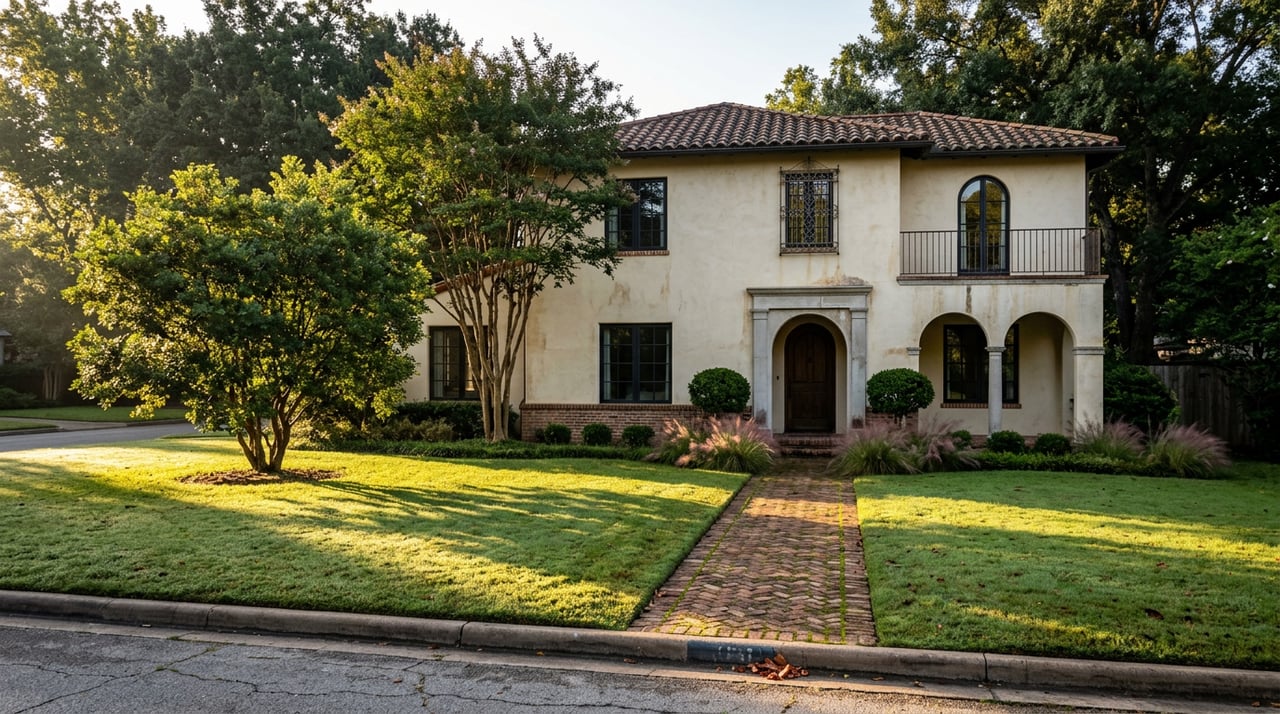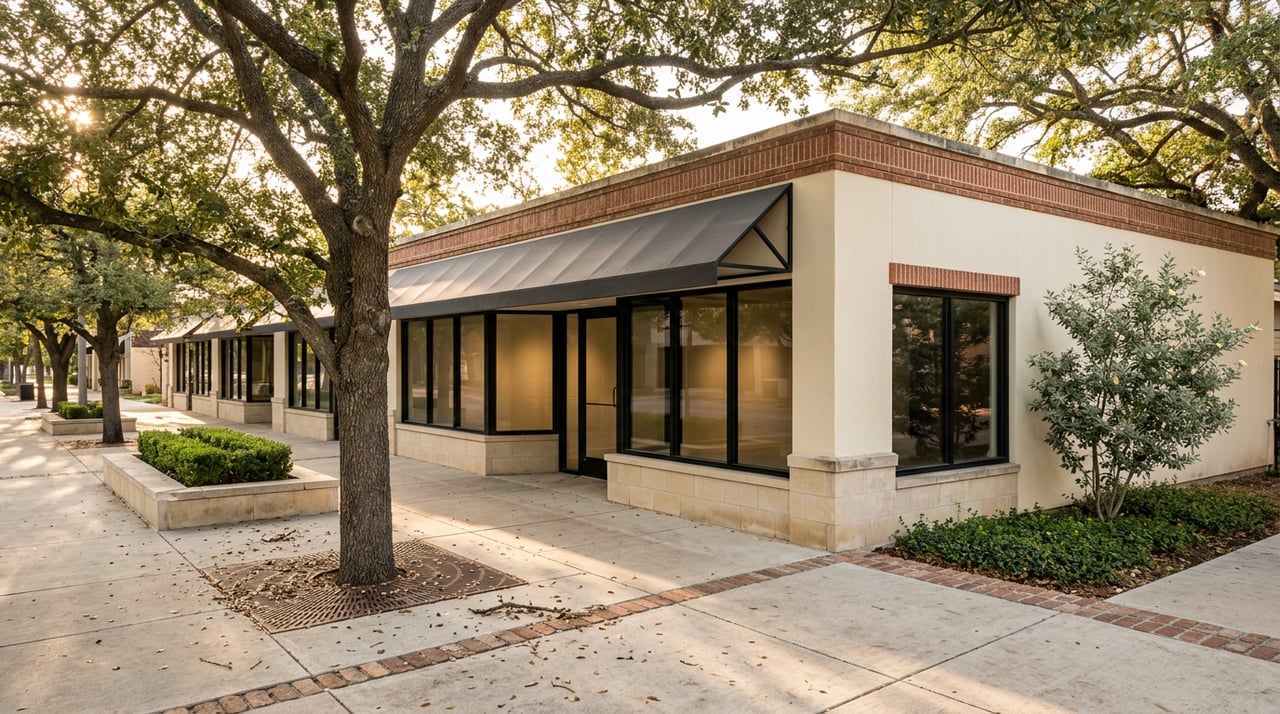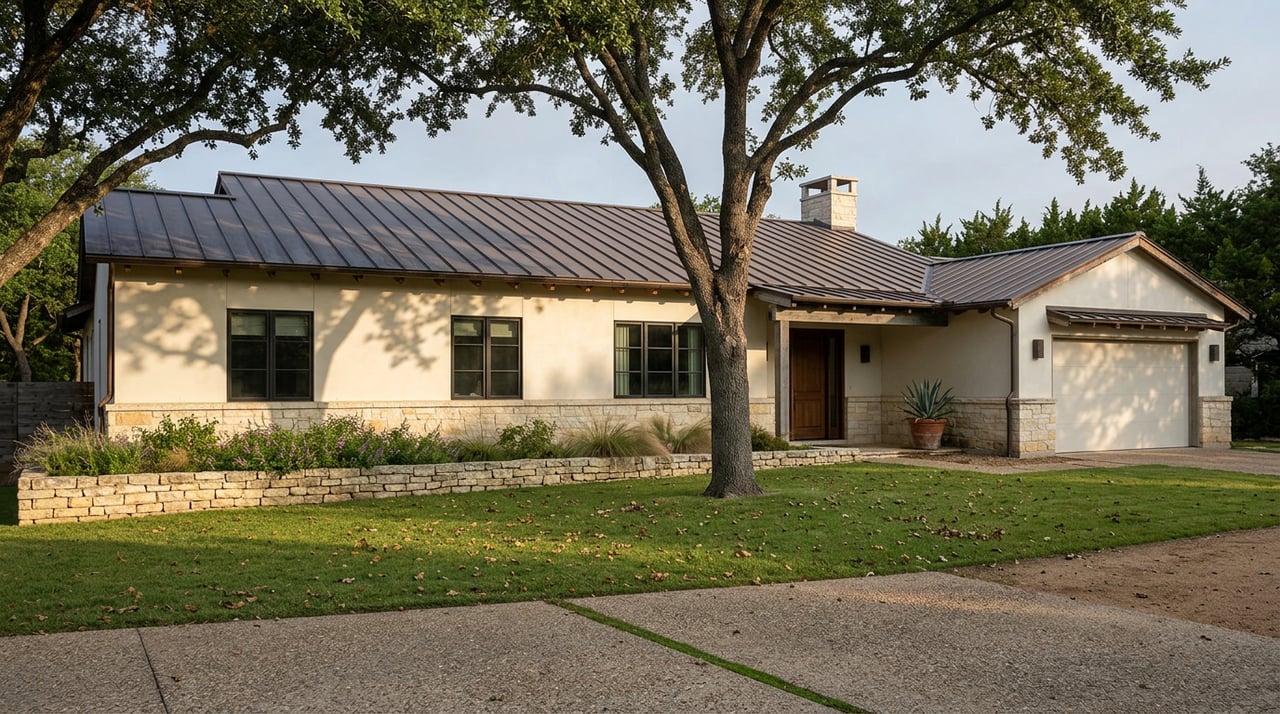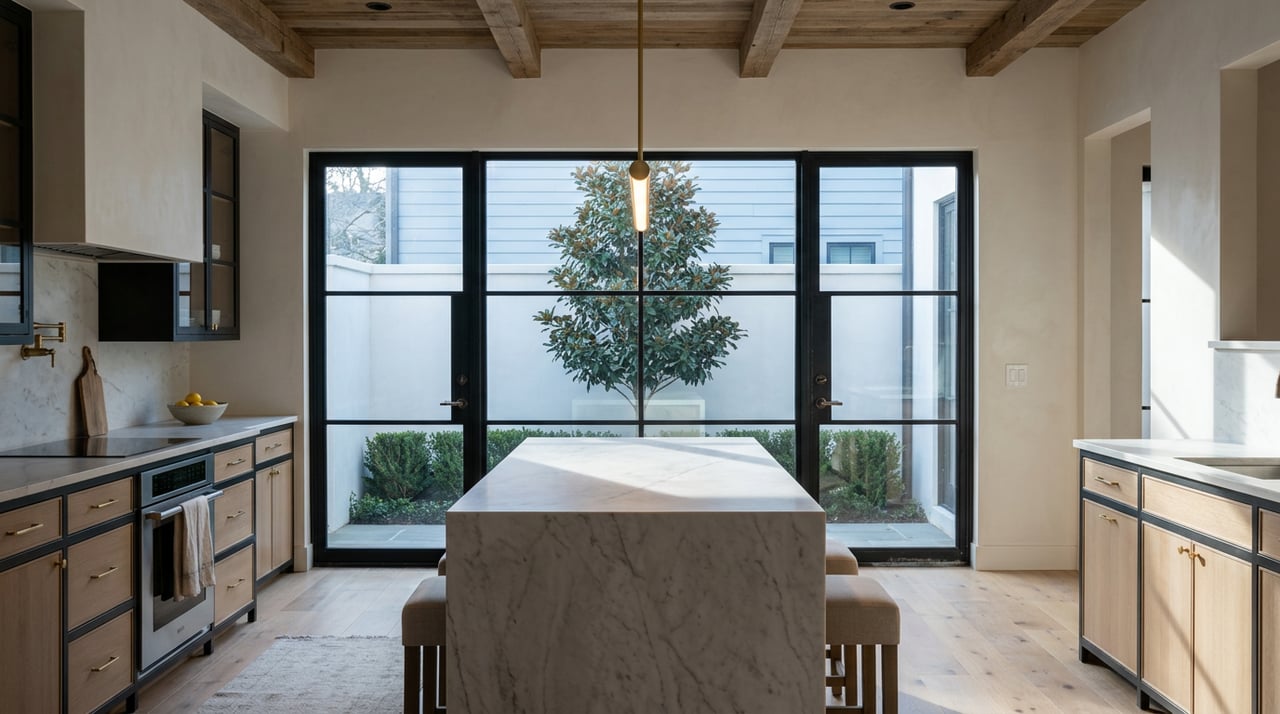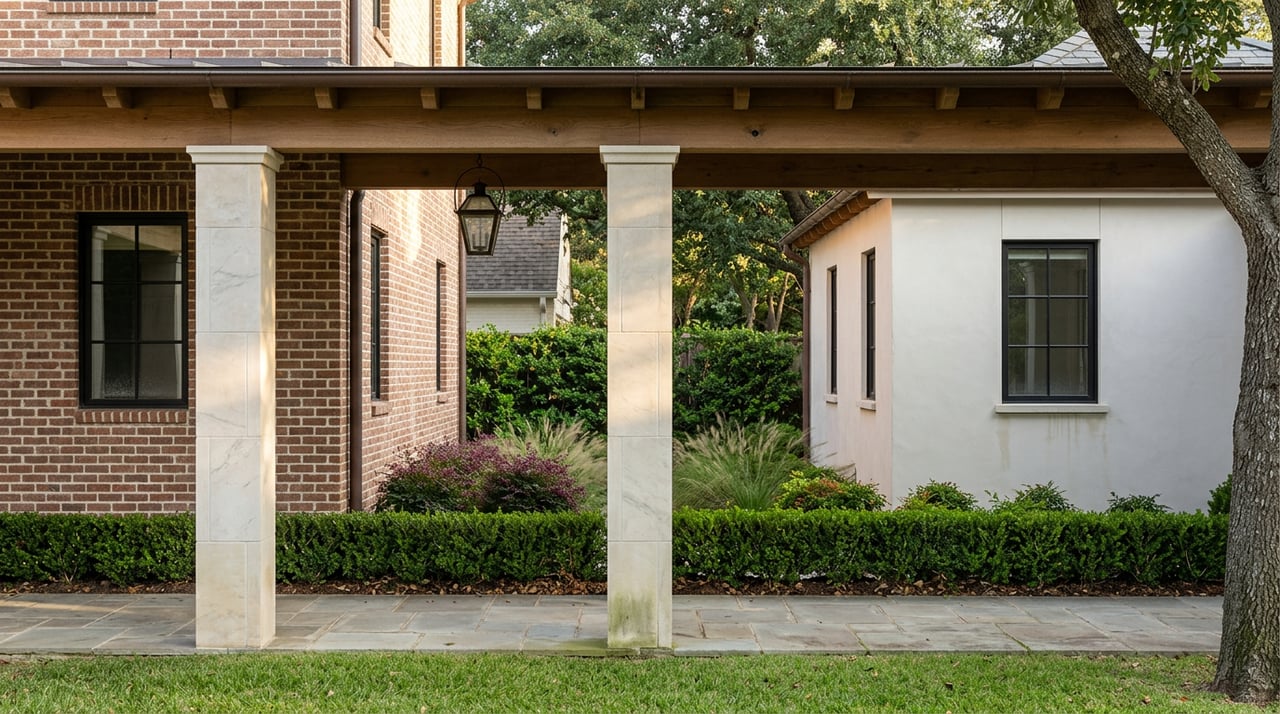
Walk Broadway through Terrell Hills on an August evening and you will notice the seams before you notice anything finished. A stretch of new curb here. A young oak, still staked, standing next to one that has shaded the sidewalk for sixty years. A section of walkway that ends abruptly where the old concrete picks back up. This is what a $2.4 million infrastructure project looks like four months into its own timeline: half-built, half-imagined, and already changing how you plan your evening.
That project did not sneak up on the city. It came out of a city council vote that most residents probably scrolled past.
The vote in April
On April 18, 2026, the Terrell Hills City Council unanimously approved a beautification package for Broadway Street that will "enhance pedestrian walkways, add heritage oak trees, and install custom lighting along Broadway Street." In a city that covers 1.6 square miles, a project of that scale touches a meaningful share of the ground residents actually cross on foot. This is not a corridor plan for a sprawling suburb where Broadway is one option among many. In Terrell Hills, Broadway is close to the only option.
What makes the timing notable is what else was happening that same week. Just days after the vote, the Terrell Hills Police Department hosted a Bike and E-Bike Safety event at the department on N. New Braunfels Avenue, pairing a safety class with a bike rodeo for younger children and a guided ride for riders ten and up. Two decisions, one about pavement and one about how kids move on it, landing in the same stretch of spring. That is not a coincidence a city this size manufactures by accident. It is a pattern.
Why this one is still a work in progress
Most municipal announcements get one news cycle and disappear. This one did not. Council agendas in the months since have continued to carry a Broadway streetscape project update as a standing line item, alongside budget review and public comment, which means the work is still moving through implementation rather than sitting finished behind a ribbon-cutting photo. A separate item, the proposed Geneseo Esplanade project, has been circulating on the city's own notices page at the same time, distinct from the Broadway work but adding up to two live infrastructure conversations running in parallel inside a city with one police department, one fire department, and an estimated 5,248 residents as of 2026.
For a city that famously fought off a San Antonio annexation attempt in 1945, winning a lawsuit that voided the takeover and preserved its own charter, this is consistent with the town's whole pattern of behavior. Terrell Hills does not wait for the bigger city next door to decide what its streets deserve. It funds its own oak trees.
The corridor the walkway is catching up to
None of this would matter much if Broadway were an empty stretch of asphalt. It is not. The corridor has anchored daily life here for decades, car trip by car trip, long before anyone talked about connecting it with a continuous sidewalk.
Three stops carry most of that weight:
- Cappy's Restaurant, a longtime neighborhood institution that has been serving guests since 1977, known for blending Gulf seafood and premium steaks with seasonal ingredients in a room that stays upscale without losing its neighborhood-gathering-place feel.
- BIRD Bakery, which bakes fresh on site every morning, with unsold sweets donated to local organizations by afternoon rather than sold as day-old stock.
- Bistr09, a French-inspired bistro on the same corridor, built around steak frites and duck confit with a Southern lean.
These sit along the same Broadway that threads out of Terrell Hills toward Alamo Heights, part of what outside coverage has called one of San Antonio's most highly rated dining stretches. Residents already know this. What is new is that the sidewalk connecting these stops to the rest of the neighborhood is being rebuilt at the same time the trees shading it are getting replaced, block by block, with the same species that already define the street.
The anchors you already circle back to
Terrell Hills runs on a short list of fixed points, and the summer calendar is built around them whether or not you think about it that way.
- A self-guided tour of seven private gardens and architecturally notable homes, with ticket proceeds benefiting the Terrell Hills Green Spaces Fund, the same fund that underwrites the city's public green space.
- The Fourth of July Parade and Block Party on Geneseo Esplanade, with the parade lineup forming down Ivy Lane at 10 a.m. and free food, drinks, and entertainment following. City Hall closes for the day and trash pickup pauses, a small but telling sign of how much the city organizes around this one afternoon.
- An annual community-police gathering, essentially the neighborhood's own National Night Out, with live entertainment, food trucks, and information booths, and families encouraged to bring lawn chairs.
- Crestwood Park, the largest of the city's green spaces, which hosts the Easter egg hunt and a holiday parade with Santa Claus photos each December, functioning as the year-round backdrop to all of the above.
None of these events are new. What is new is the infrastructure meant to link them.
What the walkway actually changes
Here is the claim worth sitting with. For as long as most residents have lived here, these anchors, Cappy's, BIRD Bakery, the garden tour homes, Geneseo Esplanade, Crestwood Park, have functioned as separate destinations, reached by car even though most of them sit within a few blocks of each other. The city's own streets never treated them as a single walkable loop. Sidewalks stopped and started. Lighting was inconsistent. Nobody built the corridor to be walked start to finish.
The Broadway beautification project is the first piece of city investment explicitly aimed at closing that gap, not by building something new, but by finally connecting what already exists. New pedestrian walkways do more than smooth out uneven concrete. They change whether you drive four blocks to BIRD Bakery for a garden tour pastry or walk it, whether you leave the car at home for the Fourth of July block party, whether the evening after dinner at Cappy's ends with a walk under the new lighting instead of straight back to the driveway.
That is a small shift on paper. In a city built on 1.6 square miles and a fierce habit of paying for its own improvements rather than waiting on someone else's budget, it is the difference between a neighborhood full of good stops and a neighborhood you can actually walk end to end.
If you are watching how a small, independent city invests in itself, and wondering what that kind of infrastructure commitment tends to mean for property along a street like Broadway, that is exactly the sort of question worth a real conversation rather than a guess. Claudia Wheeler knows this corridor block by block. Let's Connect.